How to Measure the Impact of Employee Communities
Jan 16, 2026

Employee communities and ERGs create real value—belonging, learning, retention, leadership pipelines, better decisions.
Yet when leadership asks, “What impact is this having?”, many community leads are forced to answer with anecdotes.
That’s not because the impact isn’t real.
It’s because it isn’t captured consistently.
This guide gives you a practical, realistic framework to measure employee community impact—without turning communities into a reporting exercise.
You’ll learn:
What “impact” really means for employee communities
Which metrics matter (and which don’t)
How to measure outcomes without heavy admin
How to report impact in a way leadership understands
First: define what “impact” means for your communities
Employee communities don’t exist for a single reason, so they can’t be measured with a single KPI.
Most communities create value in one or more of these areas:
Belonging & inclusion
People feel represented, connected, and safe to participate.
Talent & development
Members learn, mentor, and grow through shared experience.
Culture & engagement
Communities strengthen connection across teams, locations, and roles.
Business & operational value
Communities surface insights, support change, and improve decision-making.
Best practice:
For each community, define one primary intent and one secondary intent.
This keeps measurement focused and fair.
The measurement trap: activity is not impact
Many organisations default to easy metrics:
Number of posts
Number of reactions
Number of messages
These are signals, but they’re not impact.
High activity can mean energy—or confusion.
Low activity can still hide meaningful outcomes.
To measure impact properly, you need to look at the whole system, not just surface-level engagement.
A practical framework: Inputs → Participation → Outcomes
This three-layer model works across ERGs, communities of practice, and interest-based communities.
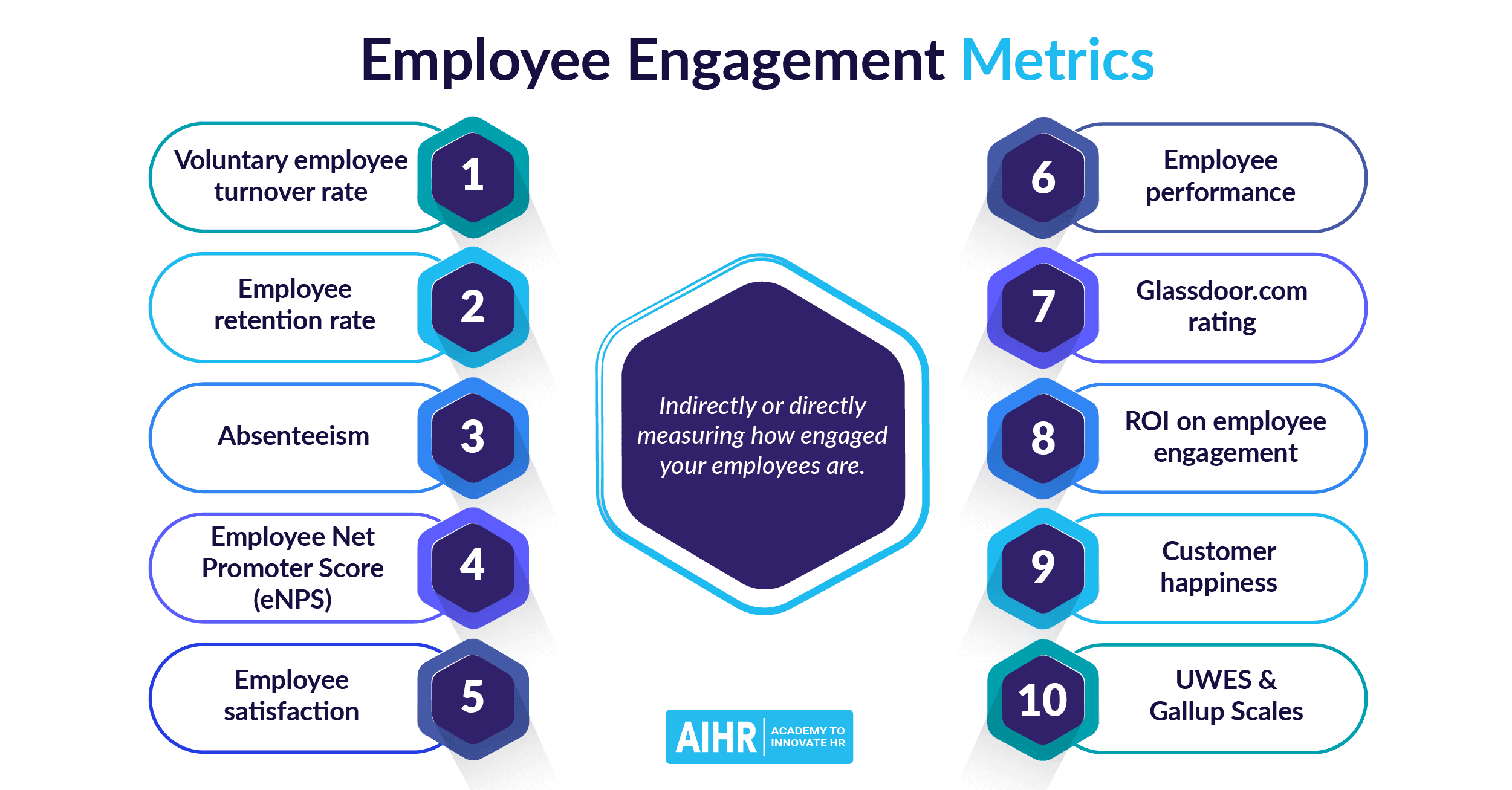
Inputs (capacity)
These show whether the community is set up to succeed:
Active leads and volunteers
Time allocation and support
Budget (if any)
Frequency of programming
If inputs are too low, outcomes will suffer—no matter how motivated people are.
Participation (what people actually do)
Participation tells you whether the community is alive and accessible:
Members (total and growth over time)
Active participants (not just sign-ups)
Event attendance
Repeat participation (the strongest health signal)
Chapter or subgroup activity (if relevant)
Track trends over time, not one-off numbers.
Outcomes (what changed because the community exists)
This is where impact becomes visible:
Increased sense of belonging
Skills development or mentorship
Stronger cross-team connections
Actionable insights surfaced to leadership
You don’t need perfect attribution—just consistent signals.
The 7 metrics that matter most
If you only track a few things, track these:
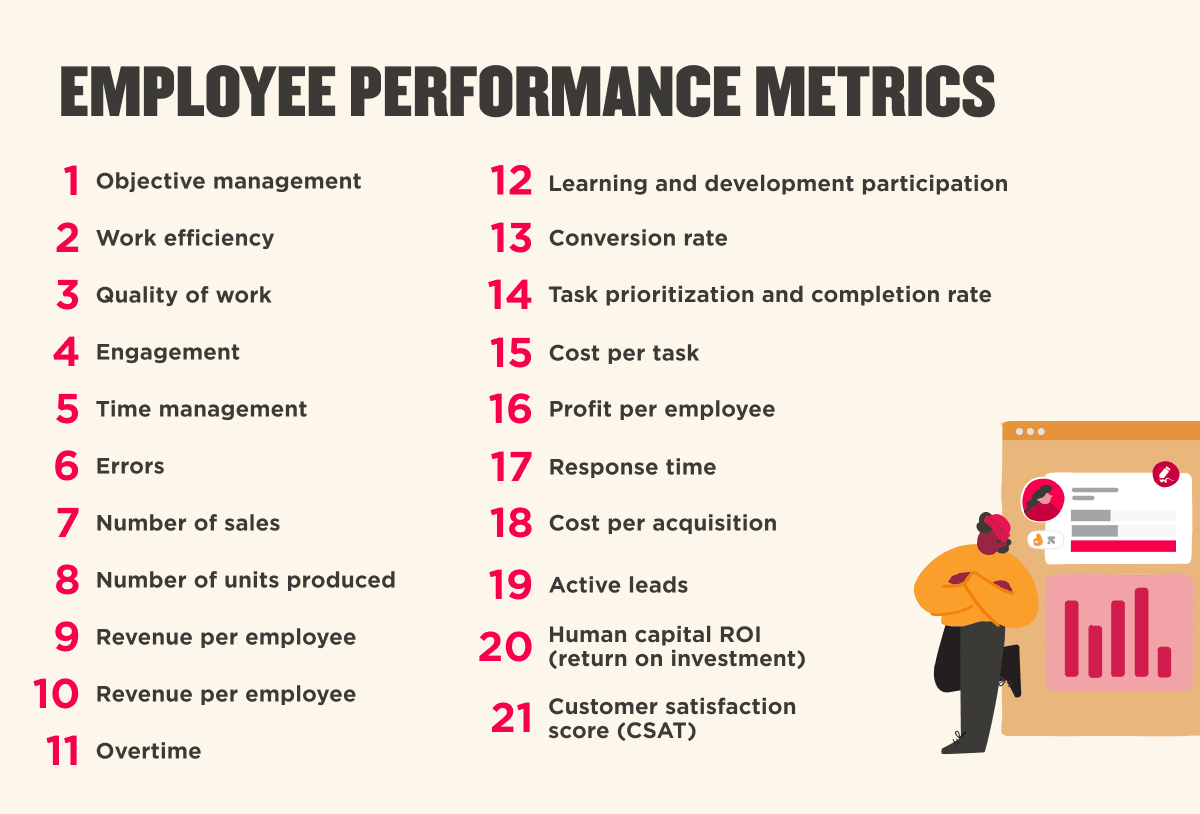
Member growth (and % of eligible population)
Active participants (not just members)
Event attendance trend (up or down over time)
Repeat attendance (participation retention)
Volunteer pipeline (new helpers and leads)
Program output (events, initiatives delivered)
Outcome themes (top recurring insights each quarter)
Together, these answer the question leadership actually asks:
Is this community active, sustainable, and valuable?
Measuring outcomes without making it heavy
You don’t need complex dashboards to capture impact.
Use lightweight pulse questions
After events or quarterly, ask:
“What changed for you because of this community?”
“What should we do more of or less of?”
“Did this help you feel more connected to the organisation?”
Cluster responses into themes and track how they evolve.
Track “moments that matter”
Communities often create impact through:
Mentorship connections
Career moves
Reduced isolation (especially for remote staff)
Faster cultural onboarding
Better-informed leadership decisions
Capture these moments briefly—then look for patterns.
How to report impact to leadership
Leadership doesn’t need a wall of metrics.
They need a clear, repeatable story.
A simple quarterly structure works well:
Summary
What the community exists for and what it achieved this quarter.Participation snapshot
Members, active participants, attendance trends, repeat engagement.Outcomes
Top 2–3 qualitative themes or business contributions.Risks & needs
Capacity constraints, burnout risk, or support required.
This makes community impact legible at an executive level.
Common mistakes to avoid
Measuring only posts or messages
Reporting one-off numbers without trend
Comparing communities with different intents
Over-claiming causation
Under-claiming value by skipping stories
Measurement should support communities, not burden them.
Final thought
Employee communities are among the most under-measured assets inside organisations.
The goal isn’t to turn them into KPI machines.
It’s to make their value visible—so they can earn the support they need to grow.
When impact is clear, communities stop being seen as “nice initiatives” and start being treated as strategic capability.