Why employee communities struggle to scale
Communities are treated like communication channels
Chat tools and mailing lists are great for fast updates, but communities need more than messages. Without structure, ownership, and continuity, engagement quickly fades and participation drops.
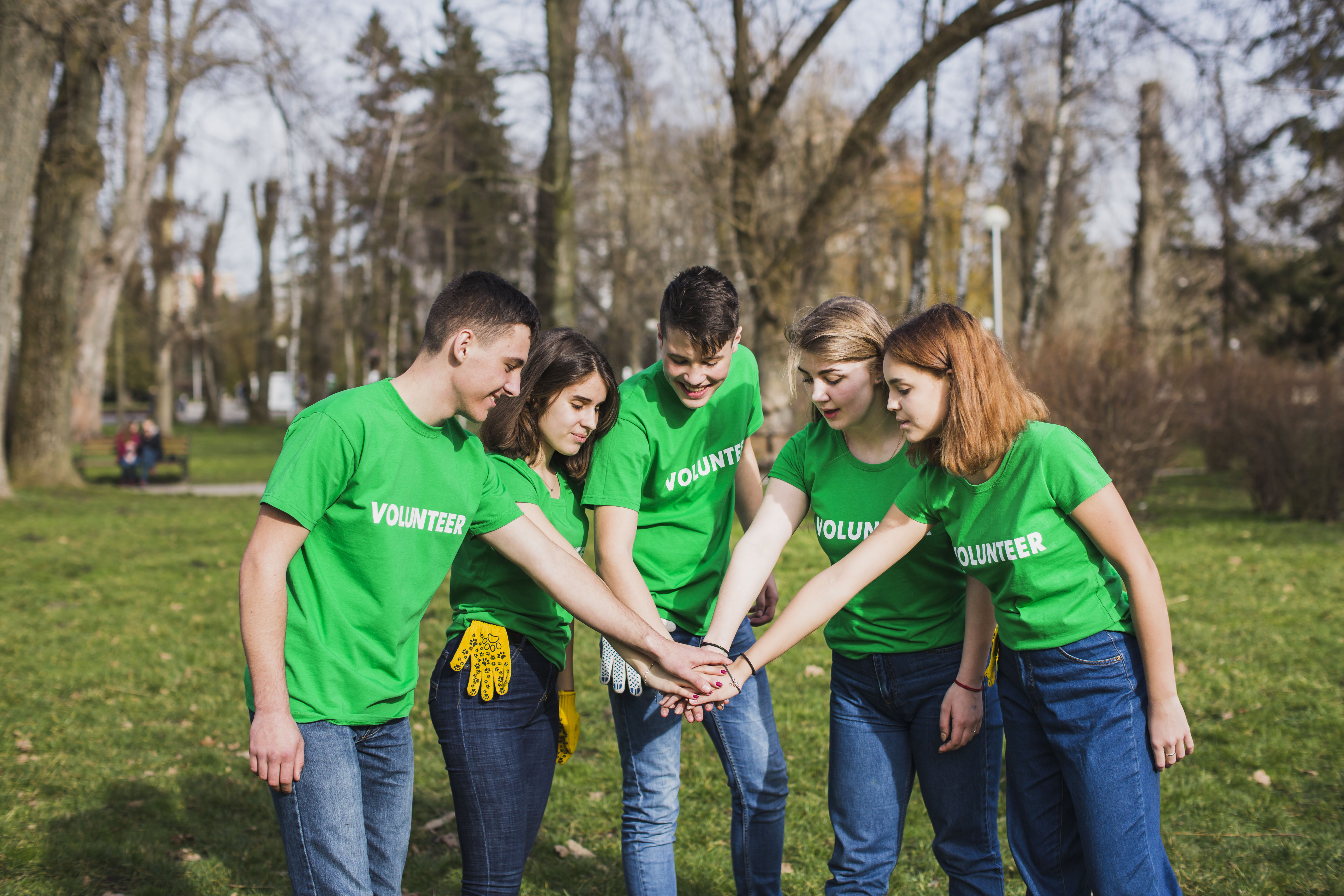

Volunteer-led communities burn out
Employee communities are often powered by motivated volunteers. But when coordination, reporting, and organisation live across multiple tools, leaders spend more time managing logistics than building meaningful connections.
Knowledge and momentum get lost
When community leads rotate or priorities change, context disappears. Without a shared space to capture history, outcomes, and learnings, communities are forced to start over again and again.


Impact is hard to see
Participation, reach, and engagement are rarely visible beyond anecdotal updates. This makes it difficult for sponsors and organisations to understand what’s working, what’s not, and where to invest.
Generic tools weren’t built for communities
Most workplace tools optimise for speed and efficiency, not belonging or long-term participation. As a result, communities are forced to adapt themselves to tools — instead of tools supporting communities.


Communities need purpose-built support
To thrive, employee communities need clear structure, shared ownership, and a dedicated space that brings people, activities, and outcomes together — without adding unnecessary complexity.
Join early access
Aspecto is currently in development.
We’re working with ERG leads, HR teams, and advisors to shape the initial release.
Register your interest to get updates and early access when the MVP is ready.