How to Run an ERG Program Without Burning Out Your Leads
Jan 16, 2026

Most ERG programs don’t fail because of lack of passion.
They fail because the same small group of people is expected to:
Organise events
Communicate consistently
Onboard new members
Represent their community
Track impact
—all on top of their full-time jobs.
Burnout isn’t a personal failure.
It’s a systems problem.
This article explains how organisations can run ERG programs sustainably—without exhausting the very people they depend on.
Why ERG lead burnout is so common
ERG leadership is often:
Voluntary or lightly recognised
Under-resourced
Emotionally demanding
Highly visible
Leads care deeply about their communities, which makes it harder to say no—even when the workload becomes unsustainable.
Common warning signs:
Fewer events over time
The same people doing all the work
Quiet disengagement instead of clean handovers
Communities stalling when a lead leaves
Burnout isn’t about effort — it’s about structure
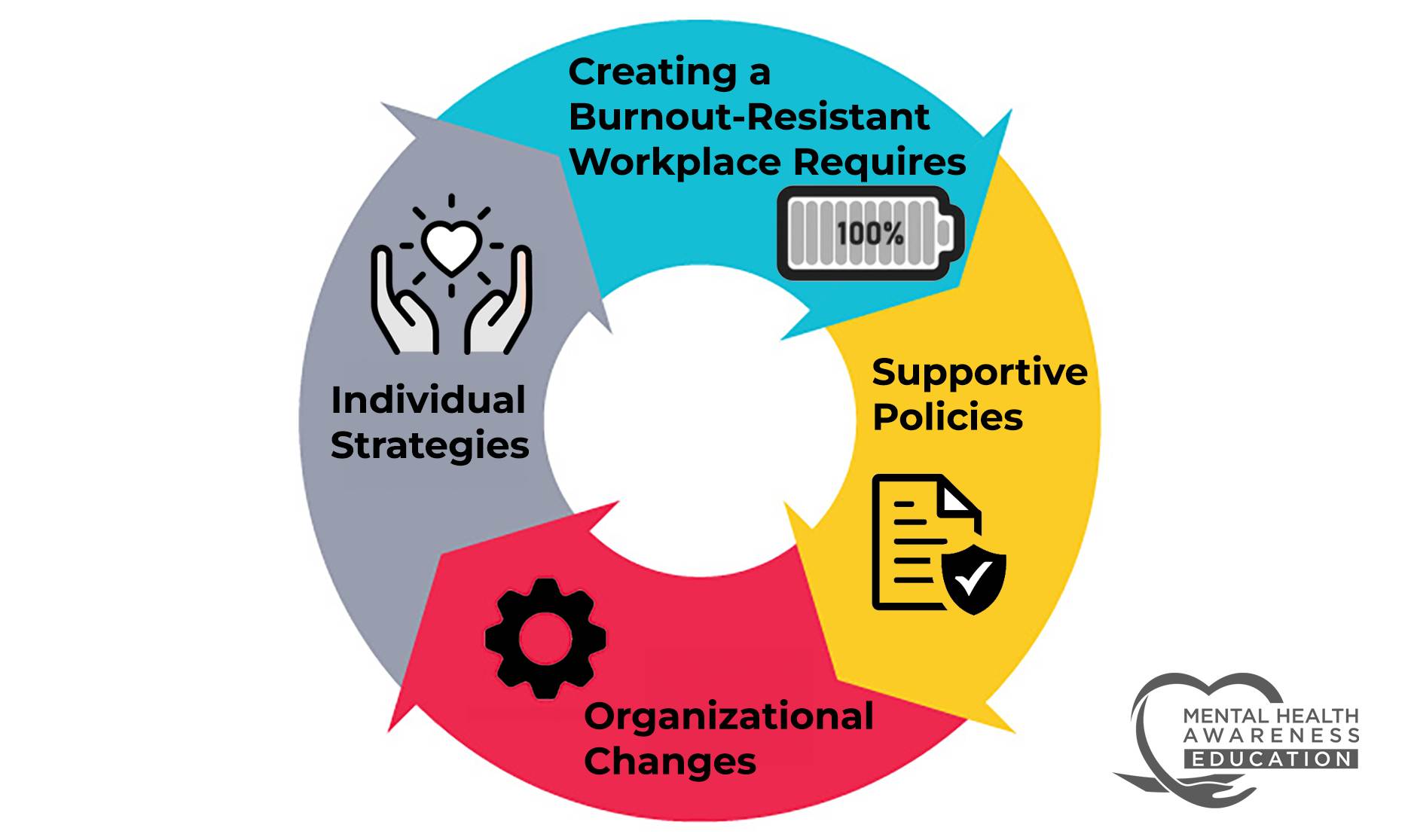
Many ERG programs unintentionally create burnout through their structure.
What causes burnout
Invisible admin work
Single-point ownership
Ad-hoc tools
No continuity between leads
Emotional labour with little support
What prevents burnout
Clear roles and scope
Shared leadership models
Dedicated infrastructure
Easy handover and continuity
Organisational recognition and support
The difference isn’t motivation.
It’s design.
Mistake #1: Treating ERG leadership as “extra-curricular”
When ERGs are framed as passion projects:
Work spills into evenings and weekends
Admin effort stays invisible
Recognition is symbolic, not structural
Sustainability depends on goodwill
Sustainable ERGs require institutional support, not heroic effort.
Mistake #2: Making every lead reinvent the wheel
Without shared systems, ERG leads:
Recreate onboarding materials
Rebuild event workflows
Lose history when roles rotate
Start from zero each year
This wastes energy and accelerates burnout.
Mistake #3: Measuring commitment instead of capacity
High-performing ERG leads are often those with:
Fewer caregiving responsibilities
More flexible roles
Existing organisational privilege
When availability becomes the selection criteria, burnout becomes inevitable—and diversity in leadership suffers.
What sustainable ERG programs do differently
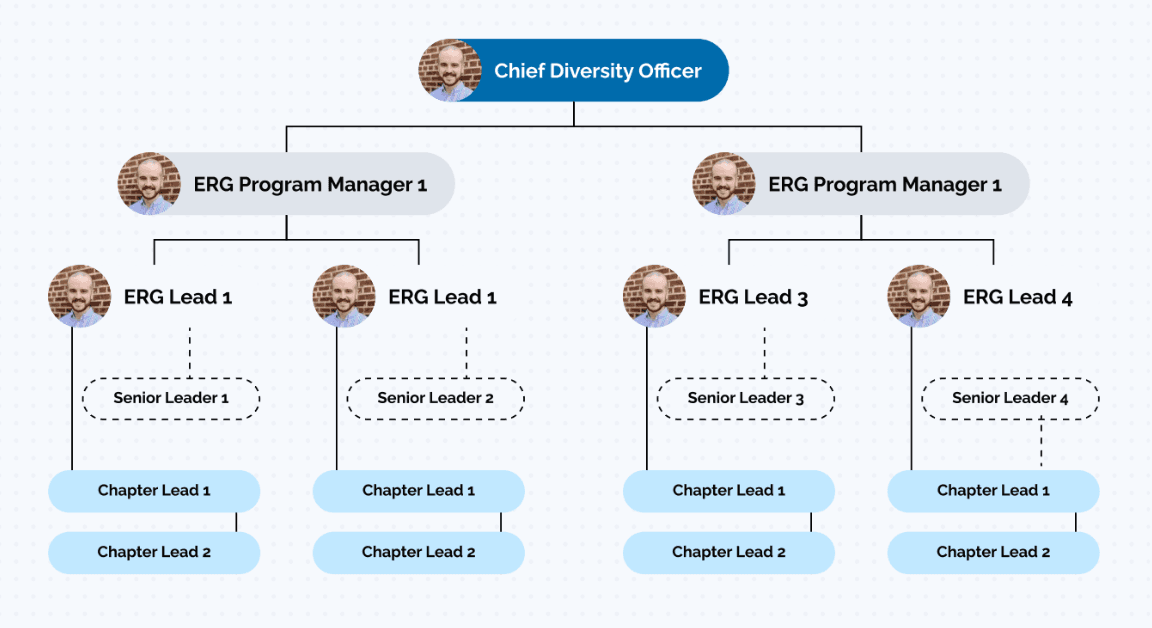
Sustainable ERG programs are intentionally designed around continuity, not individual stamina.
They focus on five principles:
1. Make ERG leadership a defined role
Clear expectations reduce guilt and pressure.
Strong programs define:
Scope of responsibility
Time expectations
What’s optional vs required
What success looks like
This gives leads permission to prioritise—and to step back when needed.
2. Reduce admin before increasing ambition
Before launching new initiatives, remove friction.
High-impact areas to streamline:
Event creation and promotion
Attendance tracking
Member onboarding
Repeated communications
Impact reporting
Every manual step increases burnout risk.
3. Build a bench, not a hero
No ERG should rely on a single person.
Sustainable programs:
Encourage co-leads
Rotate responsibilities
Create light-weight volunteer roles
Make contribution visible
Shared ownership spreads load and builds future leadership.
4. Design for lead rotation and continuity
ERG leads will change.
Your systems should assume that.
Design for:
Easy handover
Visible history of past initiatives
Clear context for new leads
Minimal dependency on personal memory
Continuity is the antidote to burnout.
5. Recognise effort in ways that actually matter
Recognition isn’t just shout-outs.
Meaningful recognition includes:
Manager support and time allocation
Career visibility
Formal acknowledgment in reviews
Access to leadership and sponsorship
Budget or tooling support
When effort is visible, burnout decreases.
The role of infrastructure in preventing burnout
Most burnout isn’t caused by too much purpose—it’s caused by too much invisible labour.
Dedicated ERG infrastructure helps by:
Centralising community activity
Reducing manual tracking
Preserving context over time
Supporting leadership rotation
Making participation and effort visible
This turns ERG leadership into something sustainable—not sacrificial.
Final thought
ERG leads shouldn’t have to choose between:
Caring about their community
Protecting their own wellbeing
If your ERG program only works when people overextend themselves, it isn’t sustainable—no matter how good the intentions.
The goal isn’t to do less.
It’s to design ERG programs people can lead for years, not months.